 English
 Español
 Português
 русский
 Français
 日本語
日本語 Deutsch
 tiếng Việt
 Italiano
 Nederlands
 ภาษาไทย
 Polski
 한국어
한국어 Svenska
 magyar
 Malay
Malay বাংলা ভাষার
 Dansk
Dansk Suomi
Suomi हिन्दी

Whats the benefits of RF microneedling treatment?
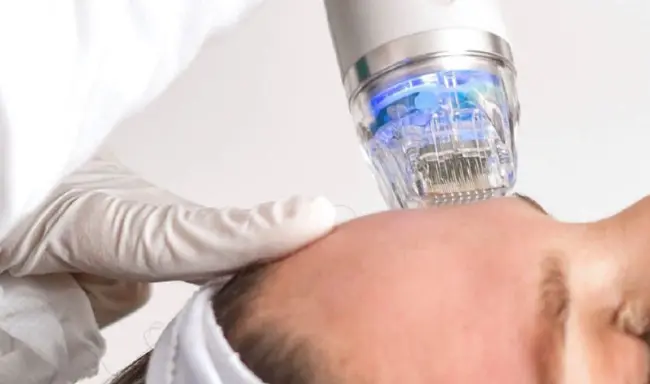
RF microneedling (radiofrequency microneedling) combines the mechanical stimulation of microneedling with the thermal effects of radiofrequency energy, offering multiple targeted benefits for skin rejuvenation and correction. Here are its key advantages:
1. Dual Action for Collagen and Elastin Boost
The tiny needles create micro-injuries in the skin, triggering the body’s natural healing response to produce new collagen and elastin. Simultaneously, the radiofrequency energy delivers controlled heat deep into the dermis (up to the subcutaneous layer in some devices), which further stimulates collagen remodeling and tightens existing collagen fibers. This dual mechanism leads to long-term skin firmness, elasticity, and a reduction in fine lines and wrinkles—more effective than standalone microneedling or RF treatments for many patients.
2. Minimally Invasive with Short Downtime
Unlike ablative laser treatments (e.g., CO2 lasers) that remove the top layer of skin, RF microneedling is minimally invasive. The needles penetrate the skin without destroying the epidermis (in most cases), so downtime is significantly shorter. Most people experience mild redness and swelling for 1–3 days, with full recovery in 5–7 days. This makes it a convenient option for those who cannot take extended time off for treatment.
3. Versatile for Multiple Skin Concerns
It addresses a wide range of skin issues, including:
*Fine lines and deep wrinkles (e.g., crow’s feet, forehead lines, nasolabial folds)
*Skin laxity (sagging jawline, neck, or décolletage)
*Acne scars and post-inflammatory hyperpigmentation (PIH)
*Enlarged pores and uneven skin texture
*Stretch marks (especially on the abdomen, thighs, or breasts)
*Mild to moderate cellulite (by tightening the skin and improving collagen structure)
4. Safe for Most Skin Types
Traditional laser treatments can be risky for darker skin tones (Fitzpatrick skin types IV–VI) due to the risk of hyperpigmentation. RF microneedling is safer for these skin types because the thermal energy is delivered deep into the dermis, minimizing damage to the epidermis (where melanin is concentrated). However, it still requires a patch test and consultation with a qualified provider to avoid complications.
5. Gradual, Natural-Looking Results
Results from RF microneedling develop gradually over 3–6 months as collagen production increases. This slow progression leads to natural-looking improvements—unlike some injectables or surgical procedures that can produce immediate but artificial results. Most patients see noticeable changes in skin texture and firmness after 2–3 sessions (typically spaced 4–6 weeks apart).
6. Customizable Treatment Depth and Intensity
Advanced RF microneedling devices allow providers to adjust the needle depth (from 0.5mm to 7mm) and RF energy intensity based on the patient’s skin concern and target area. For example, deeper penetration is used for skin laxity or acne scars, while shallower depths are suitable for fine lines or pore size. This customization ensures a tailored treatment plan for optimal results.
7. Long-Lasting Results
With proper post-treatment care (e.g., sun protection, skincare routine) and maintenance sessions (usually 1–2 times a year), the results of RF microneedling can last 1–2 years or longer. The collagen produced during treatment continues to support the skin’s structure, delaying further signs of aging.
Important Notes
While RF microneedling offers many benefits, it is not suitable for everyone (e.g., pregnant women, individuals with active skin infections, or those with certain medical conditions). It is crucial to undergo treatment with a board-certified dermatologist or plastic surgeon to ensure safety and effectiveness.
Send Inquiry



X
We use cookies to offer you a better browsing experience, analyze site traffic and personalize content. By using this site, you agree to our use of cookies.
Privacy Policy

 Whatsapp:8613811714803