 English
 Español
 Português
 русский
 Français
 日本語
日本語 Deutsch
 tiếng Việt
 Italiano
 Nederlands
 ภาษาไทย
 Polski
 한국어
한국어 Svenska
 magyar
 Malay
Malay বাংলা ভাষার
 Dansk
Dansk Suomi
Suomi हिन्दी

How Does IPL Laser Machine Work for Hair Removal and Skin Care?
Article Summary
IPL (Intense Pulsed Light) laser technology has become one of the most widely used solutions in modern aesthetic treatment systems for hair reduction, pigmentation correction, and overall skin rejuvenation. Unlike traditional laser systems that use a single wavelength, IPL devices emit a broad spectrum of light that targets multiple skin concerns simultaneously. This article explains the working mechanism, key benefits, applications, selection criteria, and operational considerations of IPL Laser Machine systems, with a focus on practical user concerns such as safety, treatment efficiency, and cost-effectiveness.
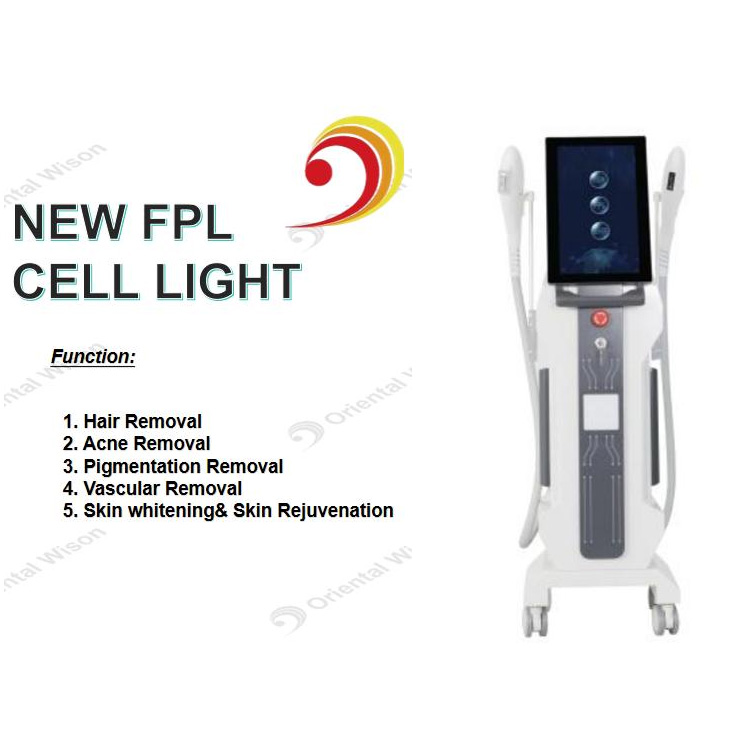
Table of Contents
- Article Outline
- 1. Introduction to IPL Technology
- 2. How IPL Laser Machine Works
- 3. Key Applications in Aesthetic Treatments
- 4. Main Advantages of IPL Systems
- 5. IPL vs Traditional Laser Systems
- 6. Technical Parameters Overview
- 7. Safety Considerations and User Experience
- 8. How to Choose the Right IPL Equipment
- 9. Frequently Asked Questions
- 10. Conclusion and Contact Information
Article Outline
This article provides a structured explanation of IPL Laser Machine technology, beginning with its core scientific principles and extending to real-world applications in dermatology and aesthetic clinics. It further compares IPL with other laser technologies, outlines technical parameters, and addresses common user concerns such as safety, treatment effectiveness, and device selection. The final section includes practical FAQs and a professional recommendation from Beijing Oriental Wison Technology Co., Ltd.
1. Introduction to IPL Technology
IPL technology is widely adopted in non-invasive cosmetic treatments due to its versatility and relatively low downtime. Unlike monochromatic laser systems, IPL devices emit a broad spectrum of light ranging typically between 400 nm and 1200 nm. This allows the energy to target different chromophores in the skin, such as melanin and hemoglobin, making it suitable for multiple aesthetic applications.
Modern IPL Laser Machine systems are commonly used in professional beauty clinics, dermatology centers, and medical spas. Their ability to treat multiple skin conditions in a single platform makes them a cost-efficient and space-saving solution.
2. How IPL Laser Machine Works
The working principle of IPL technology is based on selective photothermolysis. This process involves emitting controlled pulses of light that are absorbed by specific pigments in the skin. The absorbed light is converted into heat energy, which then damages targeted structures such as hair follicles or pigmented lesions without significantly affecting surrounding tissue.
The IPL Laser Machine typically operates in the following stages:
- Light Emission: A xenon flash lamp produces high-intensity broadband light.
- Filtering: Optical filters adjust wavelength ranges for specific treatments.
- Energy Absorption: Melanin or hemoglobin absorbs light energy.
- Thermal Effect: Heat destroys targeted cells (e.g., hair follicles).
- Natural Elimination: Damaged cells are gradually removed by the body.
This mechanism ensures controlled and targeted treatment while minimizing damage to surrounding tissues.
3. Key Applications in Aesthetic Treatments
IPL technology is widely used due to its multifunctional capabilities. Below are the primary application areas:
- Permanent hair reduction
- Skin rejuvenation and tightening
- Pigmentation and sunspot removal
- Acne treatment and scar improvement
- Vascular lesion reduction (spider veins, redness)
Its versatility makes IPL Laser Machine systems suitable for clinics aiming to provide comprehensive skin care services without multiple specialized devices.
4. Main Advantages of IPL Systems
IPL technology offers several advantages over traditional treatment methods:
- Non-invasive procedure with minimal downtime
- Multi-functional treatment capabilities
- Faster coverage of larger skin areas
- Cost-effective compared to multiple laser systems
- Adjustable settings for different skin types
These benefits have significantly increased the adoption of IPL Laser Machine devices in both commercial and medical environments.
5. IPL vs Traditional Laser Systems
| Feature | IPL Technology | Traditional Laser |
|---|---|---|
| Light Type | Broad spectrum | Single wavelength |
| Treatment Range | Multiple skin issues | Specific conditions |
| Speed | Faster large-area coverage | Slower but precise |
| Cost | More economical | Higher equipment cost |
| Precision | Moderate | Very high |
While traditional lasers provide higher precision, IPL systems offer greater versatility and efficiency for general aesthetic treatments.
6. Technical Parameters Overview
Understanding technical specifications is essential when evaluating IPL equipment. Below is a general overview of important parameters:
- Wavelength range: 400–1200 nm
- Pulse duration: Adjustable 2–100 ms
- Energy density: 10–50 J/cm²
- Cooling system: Air, water, or semiconductor cooling
- Spot size: Adjustable depending on handpiece design
High-quality systems such as those developed by Beijing Oriental Wison Technology Co., Ltd are designed to ensure stable energy output and long operational lifespan.
7. Safety Considerations and User Experience
Safety is a critical factor in IPL treatments. Although the procedure is non-invasive, proper handling is essential to avoid adverse effects such as burns or pigmentation changes.
Key safety measures include:
- Use of protective eyewear during treatment
- Skin type assessment before operation
- Proper cooling during treatment sessions
- Adjustable energy levels for different patients
- Trained operator handling only
Modern IPL Laser Machine systems integrate intelligent temperature control and safety sensors to reduce operational risks and enhance user confidence.
8. How to Choose the Right IPL Equipment
Selecting the right IPL device depends on multiple factors including application needs, budget, and technical requirements. The following checklist can help guide decision-making:
- Define primary use (hair removal, skin rejuvenation, or multi-purpose)
- Evaluate energy stability and pulse precision
- Check cooling efficiency and system durability
- Assess ease of operation and interface design
- Review manufacturer reputation and technical support
Beijing Oriental Wison Technology Co., Ltd provides professionally engineered IPL systems designed for clinics seeking reliable performance and consistent treatment outcomes.
9. Frequently Asked Questions
Q1: Is IPL treatment painful?
Most users describe the sensation as mild heat or a light snapping feeling. Modern cooling systems significantly reduce discomfort.
Q2: How many sessions are needed for visible results?
Typically, 4–8 sessions are required depending on skin type, hair density, and treatment area.
Q3: Can IPL be used on all skin types?
IPL is suitable for many skin types, but parameter adjustments are necessary to ensure safe and effective treatment.
Q4: What is the difference between IPL and laser hair removal?
IPL uses broad-spectrum light, while laser uses a single wavelength, making IPL more versatile but slightly less precise.
10. Conclusion and Contact Information
IPL technology continues to play a significant role in modern aesthetic and dermatological treatments due to its versatility, safety profile, and efficiency. With continuous advancements in optical engineering and thermal control systems, IPL Laser Machine platforms are becoming more reliable and accessible for professional use.
Beijing Oriental Wison Technology Co., Ltd specializes in the development and manufacturing of advanced IPL systems designed to meet professional clinical requirements with stable performance and long-term durability.
For more detailed product information, technical consultation, or partnership opportunities, please feel free to reach out for contact us support and explore tailored solutions for your business needs.
Send Inquiry



X
We use cookies to offer you a better browsing experience, analyze site traffic and personalize content. By using this site, you agree to our use of cookies.
Privacy Policy

 Whatsapp:8613811714803