 English
 Español
 Português
 русский
 Français
 日本語
日本語 Deutsch
 tiếng Việt
 Italiano
 Nederlands
 ภาษาไทย
 Polski
 한국어
한국어 Svenska
 magyar
 Malay
Malay বাংলা ভাষার
 Dansk
Dansk Suomi
Suomi हिन्दी

Understanding 532nm, 755nm and 1064nm Picosecond Laser Wavelengths
Picosecond laser technology has become an important topic in the professional aesthetic equipment industry. With ultra-short pulse durations, picosecond laser systems are used in selected tattoo removal and pigmentation-related applications.
Among the commonly used wavelengths, 532nm, 755nm, and 1064nm each have different optical characteristics. Understanding these differences helps aesthetic professionals and equipment distributors evaluate laser configurations for their intended applications.
1. 532nm Picosecond Laser: Targeting Selected Pigments
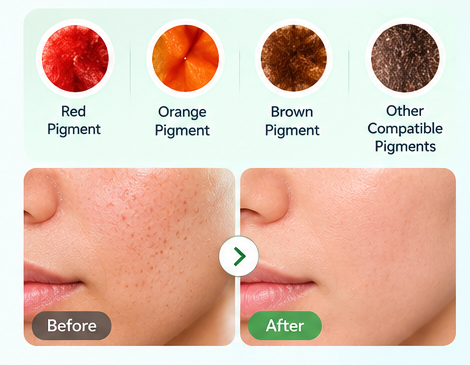
The 532nm wavelength is commonly used for selected red, orange, and other compatible pigment targets, depending on the laser system and treatment indication.
Because shorter visible wavelengths are also absorbed more strongly by epidermal melanin, appropriate patient assessment and professional parameter selection are important.
Key consideration: Wavelength selection should be based on the target pigment, skin characteristics, and the device's intended use.
2.755nm Picosecond Laser: A Common Option for Pigment Applications
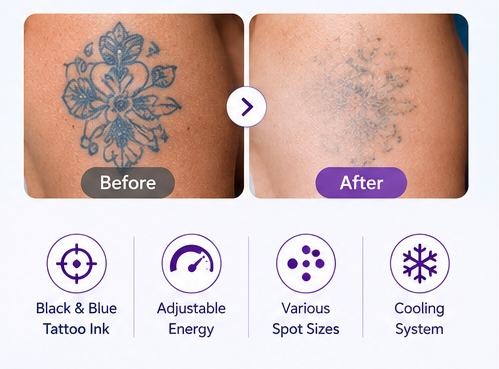
The 755nm wavelength, commonly associated with alexandrite laser technology, is used in selected pigment and tattoo removal applications.
Clinical research has investigated 755nm picosecond lasers for black and blue tattoo ink, with results varying according to the tattoo, treatment protocol, and device configuration.
Key consideration: Pulse duration, energy settings, spot size, and target characteristics all influence treatment response.
3. 1064nm Picosecond Laser: Commonly Used for Dark Tattoo Pigments
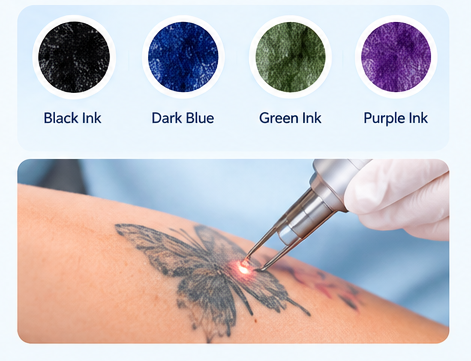
The 1064nm wavelength is commonly used for selected dark tattoo pigments, including black and dark blue ink. Its longer wavelength generally allows deeper penetration into the skin than 532nm light.
It is also used in certain pigment-related treatment protocols, depending on the device and its intended use.
Key consideration: Treatment suitability depends on the target, skin type, and clinical assessment. A wavelength alone cannot guarantee a particular outcome.
4. How to Choose the Right Picosecond Laser Configuration?
For aesthetic clinics and distributors, choosing a picosecond laser machine involves more than comparing the number of available wavelengths.
Consider these factors before purchasing:
- Wavelength configuration: Check which applications the system is designed for.
- Pulse duration and energy: Review the manufacturer's technical specifications.
- Spot sizes and accessories: Confirm that the supplied configuration meets your intended requirements.
- Safety and training: Review operating instructions, protective measures, and professional training requirements.
- After-sales support: Evaluate warranty coverage, spare parts, and technical assistance.
Send Inquiry



X
We use cookies to offer you a better browsing experience, analyze site traffic and personalize content. By using this site, you agree to our use of cookies.
Privacy Policy

 Whatsapp:8613811714803